With nearly three decades studying vineyards around the world, Bree Stock reassesses Oregon wine — and where she believes the region might be headed next
When Bree Stock first arrived in Oregon to work harvest in 2014, the Willamette Valley immediately felt familiar. The small wineries reminded her of the family-run estates where she had worked in Spain and Portugal. Winemakers shared ideas freely. Vineyards were measured in dozens rather than hundreds of acres. And while Oregon produced only about one percent of the wine in the United States, it had already earned an international reputation for cool-climate Pinot Noir.
Despite these obvious advantages, Stock says, many conversations about Oregon wine seemed to begin with Burgundy and end there. “I felt the region was somewhat under-imagined,” she recalls thinking at the time. It wasn’t that Oregon’s comparison to Burgundy was misplaced. Stock admired what the region had accomplished with Pinot Noir and Chardonnay. What surprised her, she says, was that relatively few producers had looked beyond Burgundy to consider what lessons other cool-climate wine regions — or other grape varieties — might offer.
“Why aren’t we looking at the Loire Valley? Why aren’t we looking at Austria?” she recalls asking herself.
If anyone has the perspective to understand Oregon wine and where it might be headed, it’s Bree Stock. She’s intentionally built a multi-decade career that touches about every corner of the wine industry.
A native Australian, Stock discovered her love of wine waiting tables in Vancouver, British Columbia, where she got to know Barbara Philip, who would later become Canada’s first female Master of Wine. From there, the fire was lit. Stock found herself traveling the globe in the service of better understanding, and fully appreciating wine. She worked in sales and distribution for one of Australia’s largest wine companies, imported Spanish and Portuguese wines and spent harvests in both countries.
She entered the Master of Wine program in 2012 while back in Australia, where access to benchmark wines for the notoriously demanding examinations was limited. Instead of relocating, she built her own curriculum — teaching WSET courses, working harvests in both hemispheres and traveling regularly to London to taste wines from around the world. Ultimately, she became the first and only female Master of Wine in the Pacific Northwest.
By the time she arrived in Oregon, she had spent years comparing wine regions rather than studying them in isolation. And that broader perspective eventually became the foundation for Limited Addition Wines, the winery she co-founded in Oregon.
“Limited Addition is entirely focused on diversifying the Willamette Valley,” she says.
Today the winery works primarily with vineyards throughout the Willamette Valley while also sourcing Chenin Blanc and Melon from Elkton, Oregon. Stock increasingly thinks about Oregon less as another Burgundy and more as a region with similarities to France’s Loire Valley; a river system with varied soils, elevations and microclimates capable of producing many styles of wine.
“I tend to think more of Oregon and the Willamette Valley as being a little more like the Loire Valley than Burgundy,” she says.
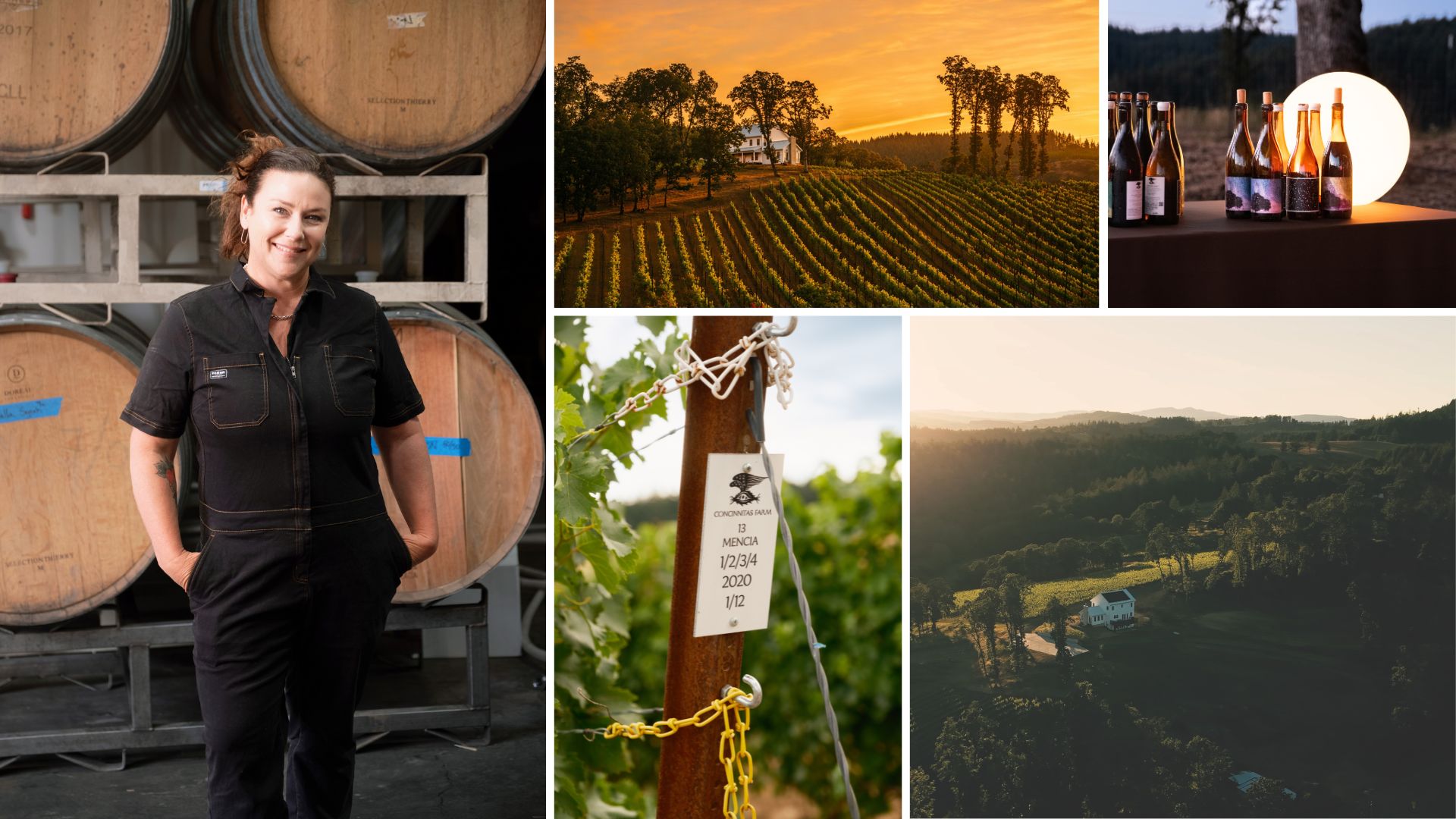
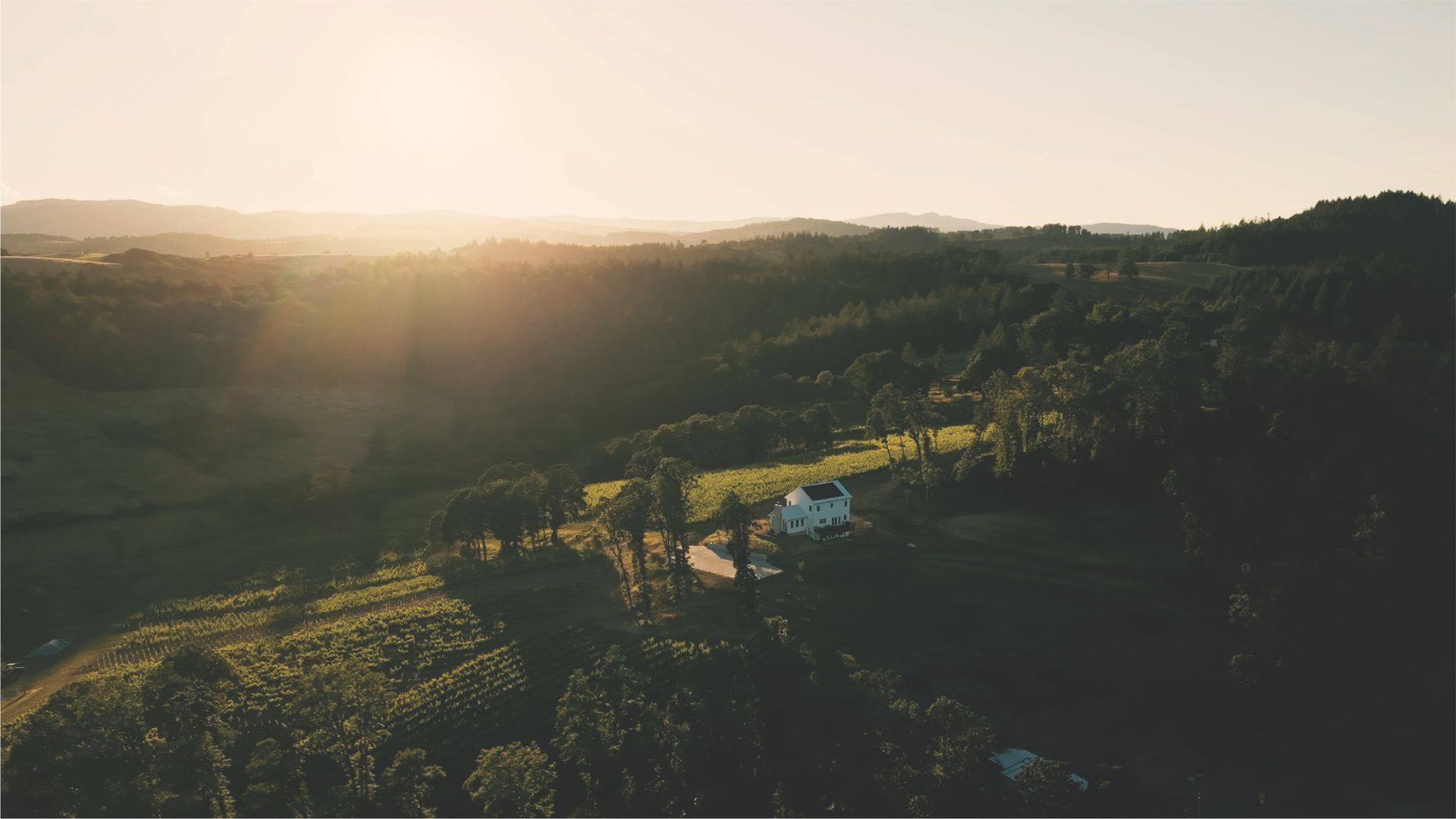
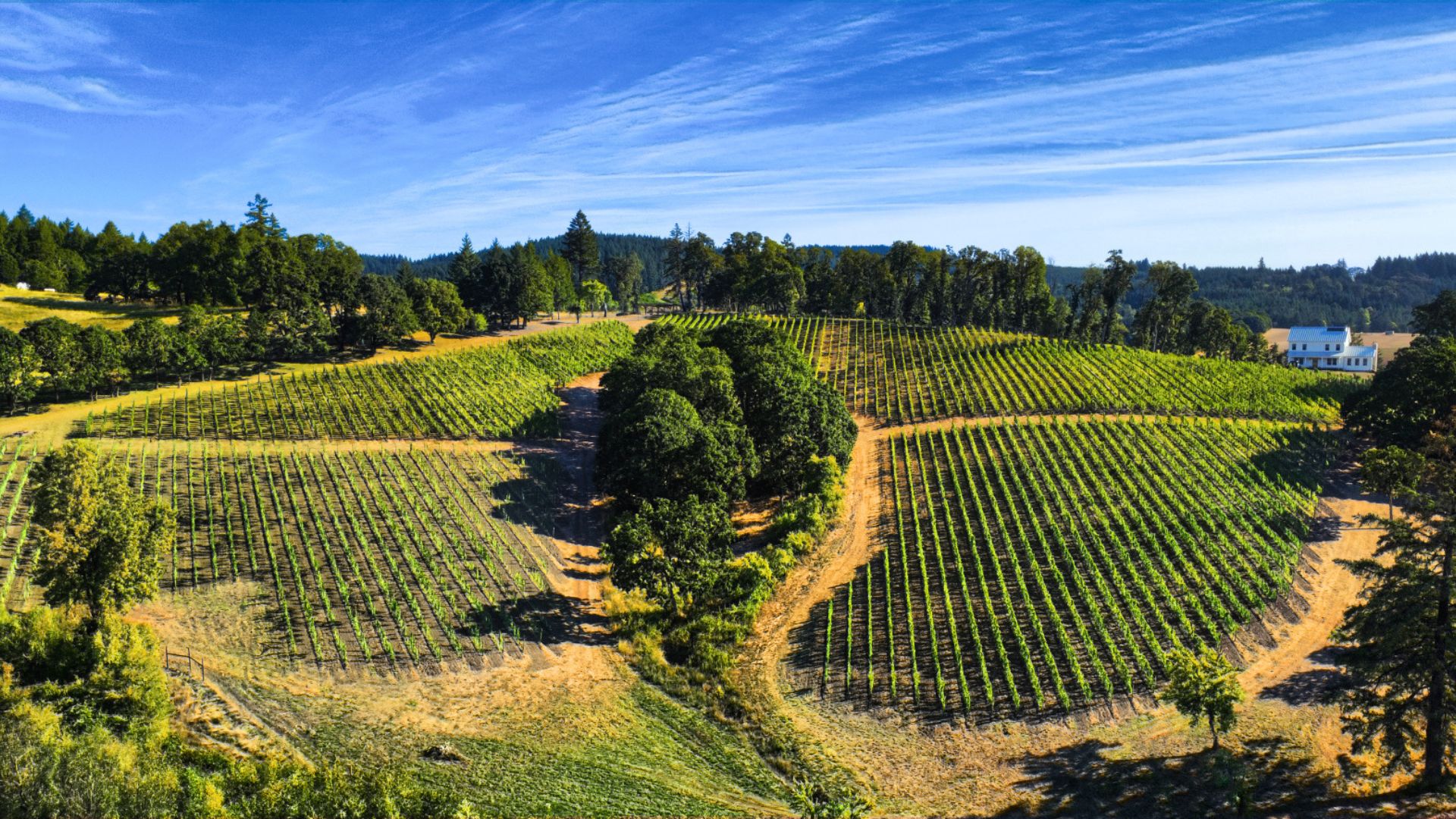
That thinking is playing out at Concinnitas Farm, where Stock and her husband and winemaking partner, Chad Stock, helped owners Nate Jones and Zulima Espinel approach a new vineyard that explicitly avoids the assumption that a Willamette Valley site should automatically be planted to Pinot Noir and Chardonnay. Instead, they looked at elevation, soils, exposure and heat retention while considering where the region might be decades from now. “Planting a vineyard is an investment in the future,” Stock says. “The varieties we chose needed to make sense not only at planting, but 20, 30 or 40 years from now.”
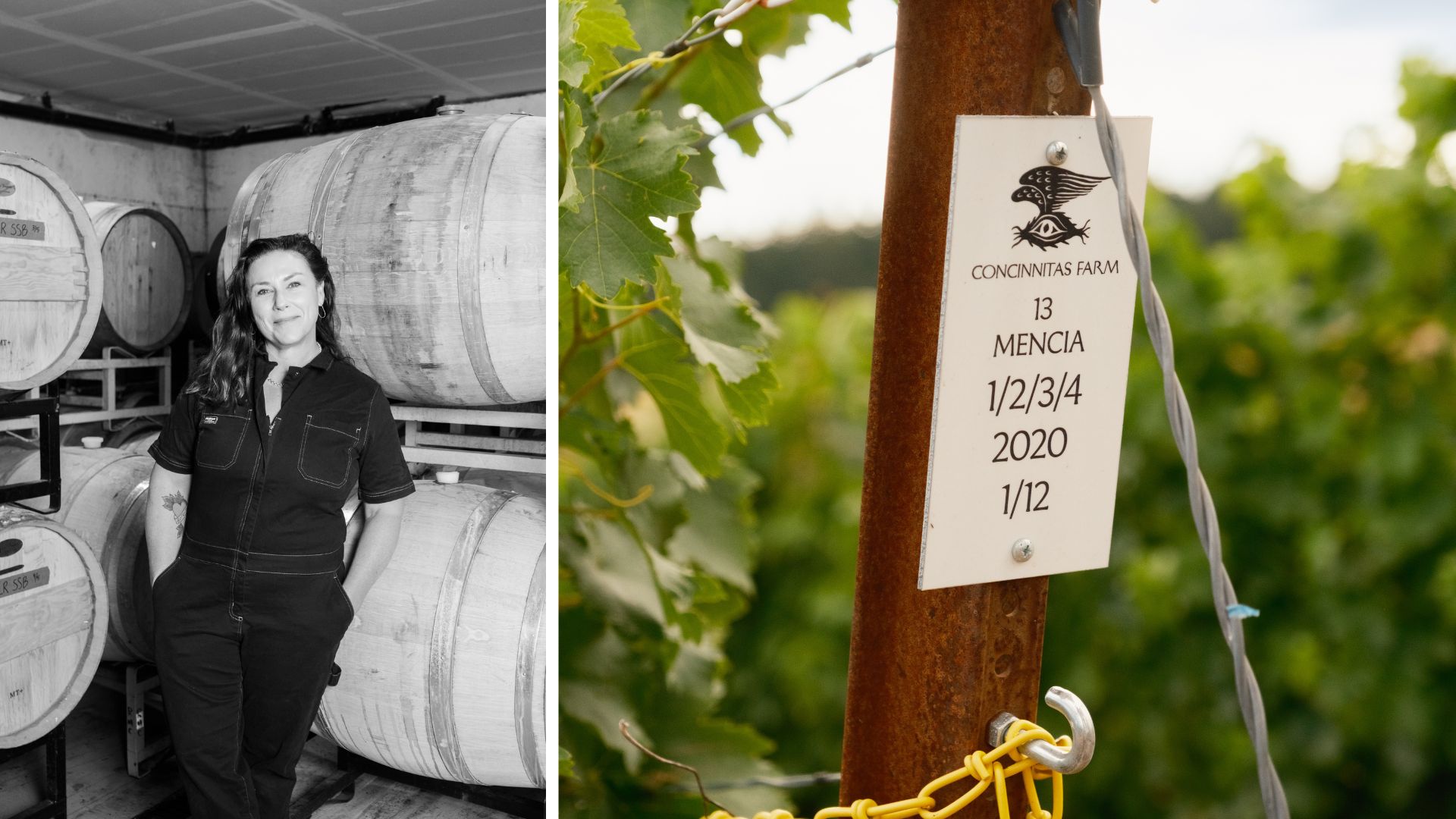
At Concinnitas Farm, what began as a conversation about varieties and site eventually grew into an estate wine partnership, with the first wines made in 2021. For Stock, the vineyard has become a living test of ideas that once existed largely on paper. Aligoté, Chenin Blanc and Mencía have been particularly compelling, she says, retaining the freshness, acidity and transparency she associates with the Willamette Valley without seeming like varieties forced into an Oregon context.
“The identity of the Willamette Valley doesn’t have to be defined solely by particular grape varieties,” Stock says. “It can also be defined by qualities of place.” For her, that expands rather than challenges Oregon’s identity. “Pinot Noir helped us understand what the Willamette Valley could be,” she says. “Projects like Concinnitas allow us to ask what else it can become.”
“Pinot Noir helped us understand what the Willamette Valley could be,” she says. “Projects like Concinnitas allow us to ask what else it can become.”
Climate change has only strengthened that conviction. Pinot Noir and Chardonnay that once ripened in October now often reach maturity in early September, while later-ripening varieties including Cabernet Franc, Chenin Blanc and Sauvignon Blanc have become increasingly promising.
“I’m certainly more convinced by later-ripening varieties like Cabernet Franc, Chenin Blanc and Sauvignon Blanc,” she says.
The 2020 wildfire season underscored the point. While many Pinot Noir vineyards were affected by smoke exposure, some of Stock’s later-ripening Cabernet Franc and Mencía escaped because they were at a different stage of development when the fires arrived.
“I think we’d be naïve to believe those climate challenges won’t continue,” she says. “We’ll need to embrace additional varieties and styles if we’re going to adapt successfully.”
That doesn’t mean abandoning Oregon’s signature grapes. Stock believes Pinot Noir and Chardonnay remain central to the state’s identity, particularly at higher elevations and cooler sites, while sparkling wine represents another significant opportunity. For her, diversification is about adding possibilities, not replacing what already works. It’s all about being observant, adaptive and curious.
After nearly 30 years in wine, Stock says curiosity remains the industry’s greatest teacher.
“Wine is an industry that requires continual study and continual curiosity,” she says.