If you’ve ever been to a typical wine tasting, you likely know the rundown: you’re handed a glass, given several pours, and you either buy a bottle or leave on your merry way. That was the experience.
What if wine tasting came with more reasons to linger?
Across Oregon and Washington, there has been a recent shift in the traditional tasting room structure. More visitors are seeking experiences beyond the conventional tasting.
In response, some wineries are starting to encourage visitors to stay and gather with friends, enjoy a meal together, or even connect with the vineyards and grapes themselves while tasting wine.
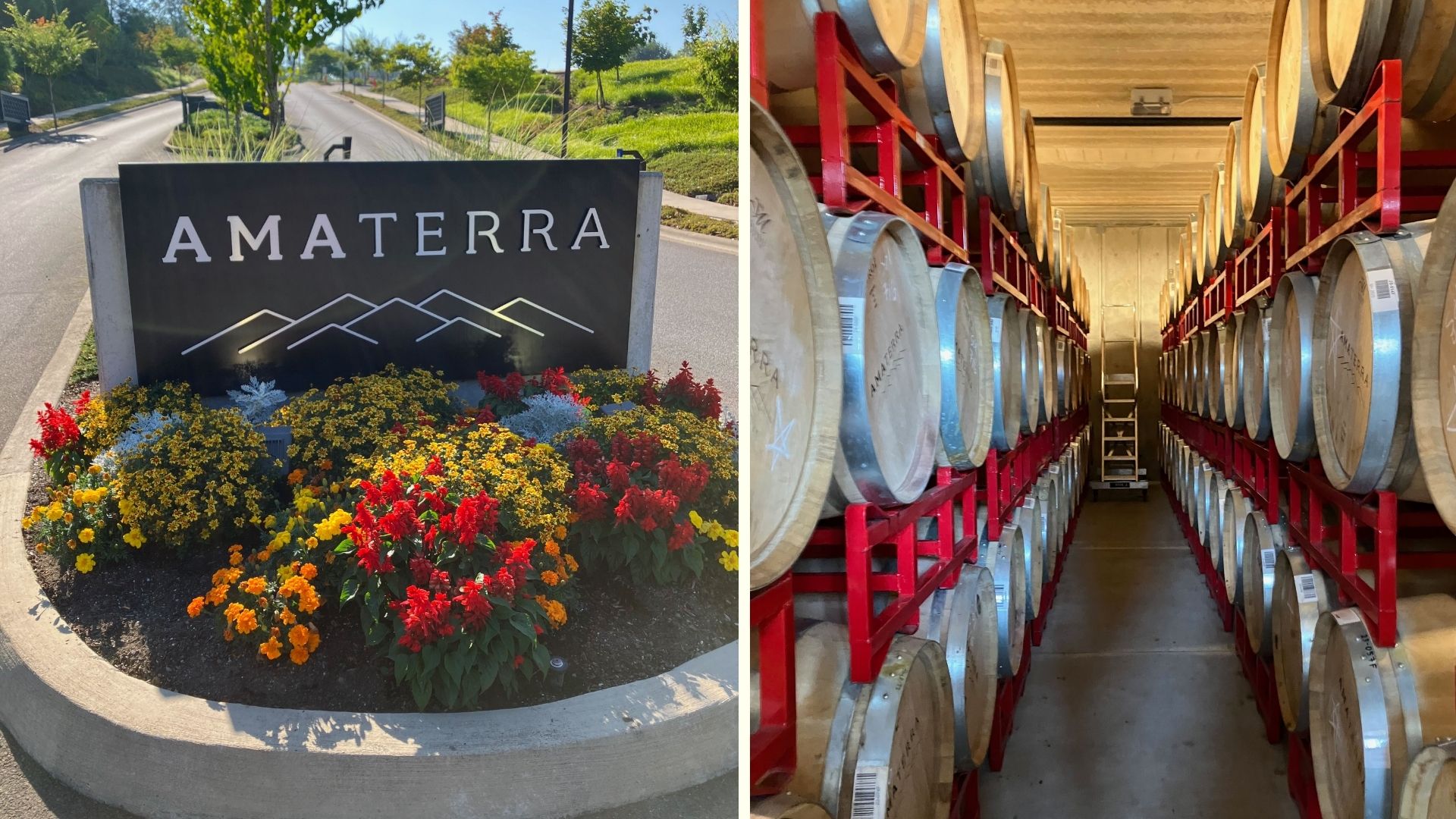
After the pandemic, Mali Lubash, marketing office coordinator at Amaterra in Portland, Oregon, noticed a shift in guest behavior. With nearly 10 years in the wine industry, Lubash says visitors who once came in for a traditional tasting lasting around 45 minutes increasingly began using wineries as places to hang out.
“What used to be more intensive, all-day tours of various wineries with the quest for knowledge and wine education has evolved, especially after COVID, to use the winery more as a third space for people to come together,” Lubash says.
As wineries adapt to this shift, what that expanded experience looks like differs dramatically from place to place.
Wine as a gathering place
Morgan Lee, head winemaker and co-owner at Two Vintners in Woodinville, Wash., has seen a growing desire for something beyond a traditional tasting after COVID. In fact, he says, great wine is increasingly becoming the baseline; guests want something beyond it.
At Two Vintners, that starts with creating a comfortable atmosphere.
“I never wanted to have a brand that was pretentious or intimidating. I believe that you can produce truly world-class wines and also be fun and welcoming and inclusive,” Lee says.
Welcoming families is a major part of that casual atmosphere.
“I have been around long enough now that kids who played with the toy kitchen set at Two Vintners years ago now come and drink wine legally with their parents,” Lee says.
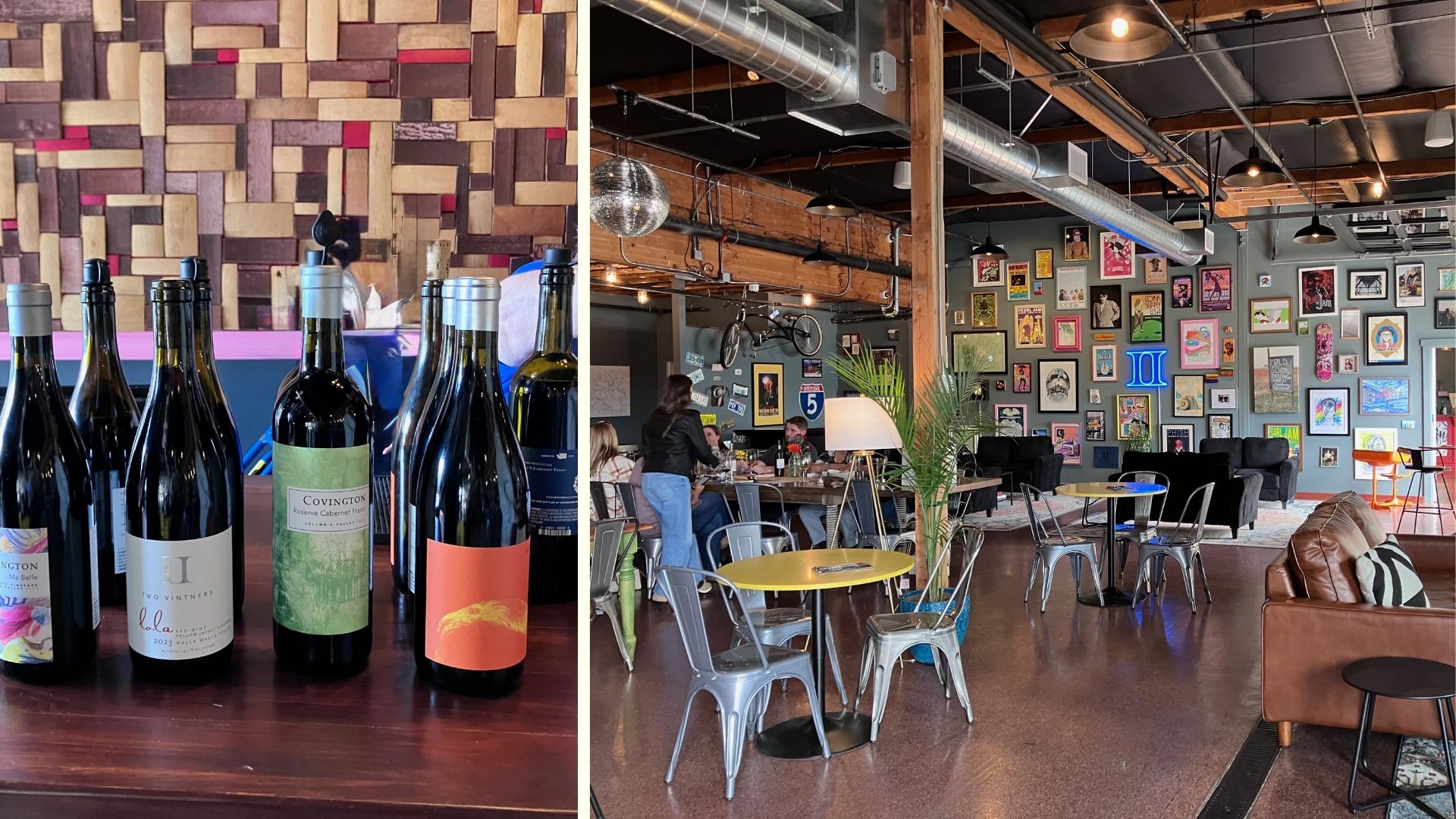
And it’s not just that. The winery as a whole has a brewery-like setup with restaurant-style seating, a bar and an eclectic gallery wall filled with posters, photos and artwork that all give the space a sense of character.
“They tend to come and stay for hours,” Lee says. “They need to feel comfortable in order to connect with a place and want to come back.”
Events can bring people together, but they can also pull the focus off of the wine. Lee says there is a delicate balance to find.
“People are there to unwind, grab food from the food truck, share a bottle and listen to some music,” Lee says. “I have come to realize the wine is not the focus on those nights but rather the community is the focus.”
The quandary becomes: How do you offer these fuller experiences while still keeping wine at the core? For smaller wineries, expanding the experience doesn’t necessarily equate to more amenities, but can instead mean leaning into a winery’s local identity.
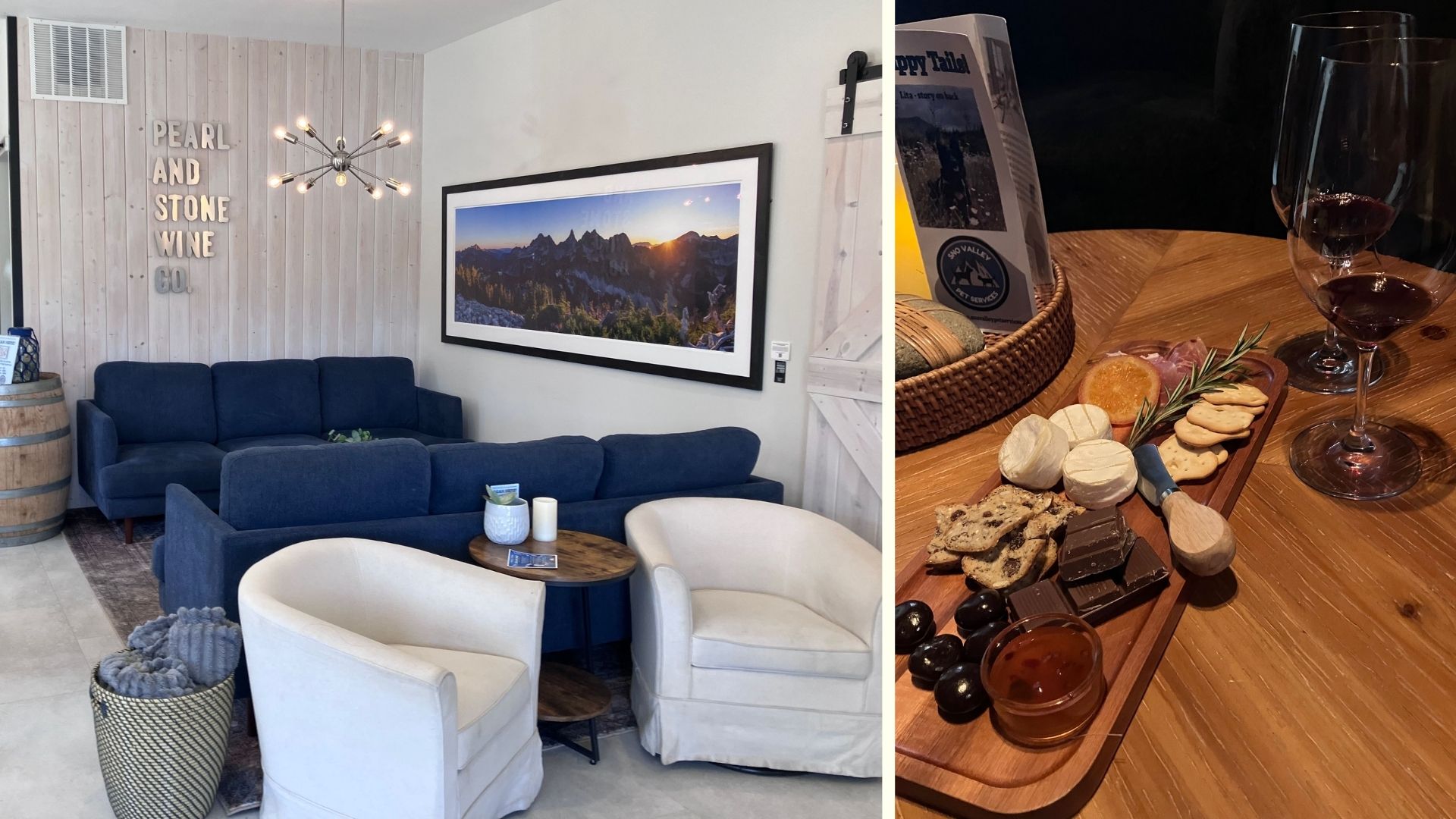
Pearl & Stone Wine Co., located in North Bend, Washington, is the only winery in town, and visitors likely aren’t spending the day winery hopping when they stop in. Because of that, it’s taken a different approach to its tasting room.
The core of the brand is not to just be a place to taste wine, but rather to be a gathering space for locals. The wines are named for surrounding mountains, hiking trails and local lore, according to Chris Stone, winemaker and partner at Pearl & Stone Wine Co. Additionally, the P&S team regularly partners with local artists, hiking groups and even breweries through events and popups, highlighting its connection with the community.
“I think people want authenticity, hospitality and connection,” Stone says. The result is a distinctly hyperlocal sense of community.
A reason to stay
Amaterra has taken another kind of approach to hospitality. By incorporating a full restaurant into its winery, guests have the opportunity to enjoy a wine flight alongside a menu.
During the day, the food selection includes lighter fare and snacks that still pair well with wine but also allow for the tasting experience. In the evening, the restaurant transitions to full dinner service, and the tastings are still available for guests to try.
“The reason why we do that is because we are a winery first and foremost, and so we do want to allow people to have that wine tasting experience while also giving the culinary piece that we’re so proud of, but in a more specific way,” Lubash says. “The tasting snacks and the lunch are really paired to go well with wine and to be a little bit lighter.”
This addition of food gives guests another way to interact with the wine while also giving them a reason to stay.
To that end, Amaterra also has a lineup of events including live music, multi-course dinners and a supper series, all of which are geared toward creating that third space for its guests.
“We really encourage people to get together with people they haven’t seen in a while, or friends or family in town, to kind of have that dinner party, but without the cleanup, without the setup, without the cooking,” Lubash says. “We’ll do everything for you. We just want you to come and enjoy.”
Food offers one way to interact with wine; hands-on education offers another.
Learning by doing
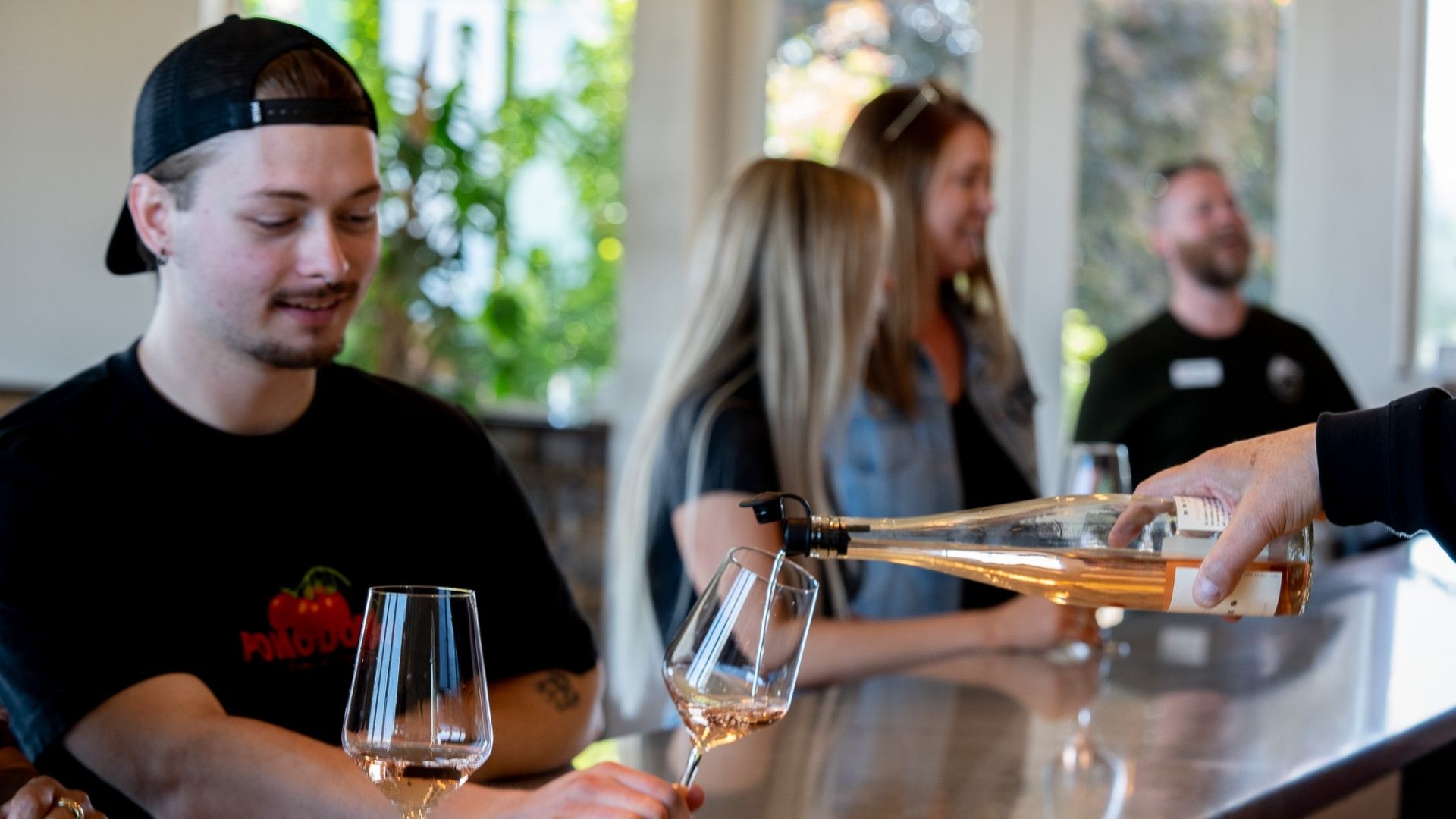
Brooks Wine in Amity, Oregon, has zeroed in on education through its Brooks Wine Lab. The classes aren’t formatted as standard lectures, but rather as experiments in which guests get to interact with the wines and a particular topic. Harvest Hands-On Lab allows participants to try grapes alongside the finished wines. Another offering is Wine & Soundwaves Lab, giving guests the opportunity to try various wines while listening to different music genres.
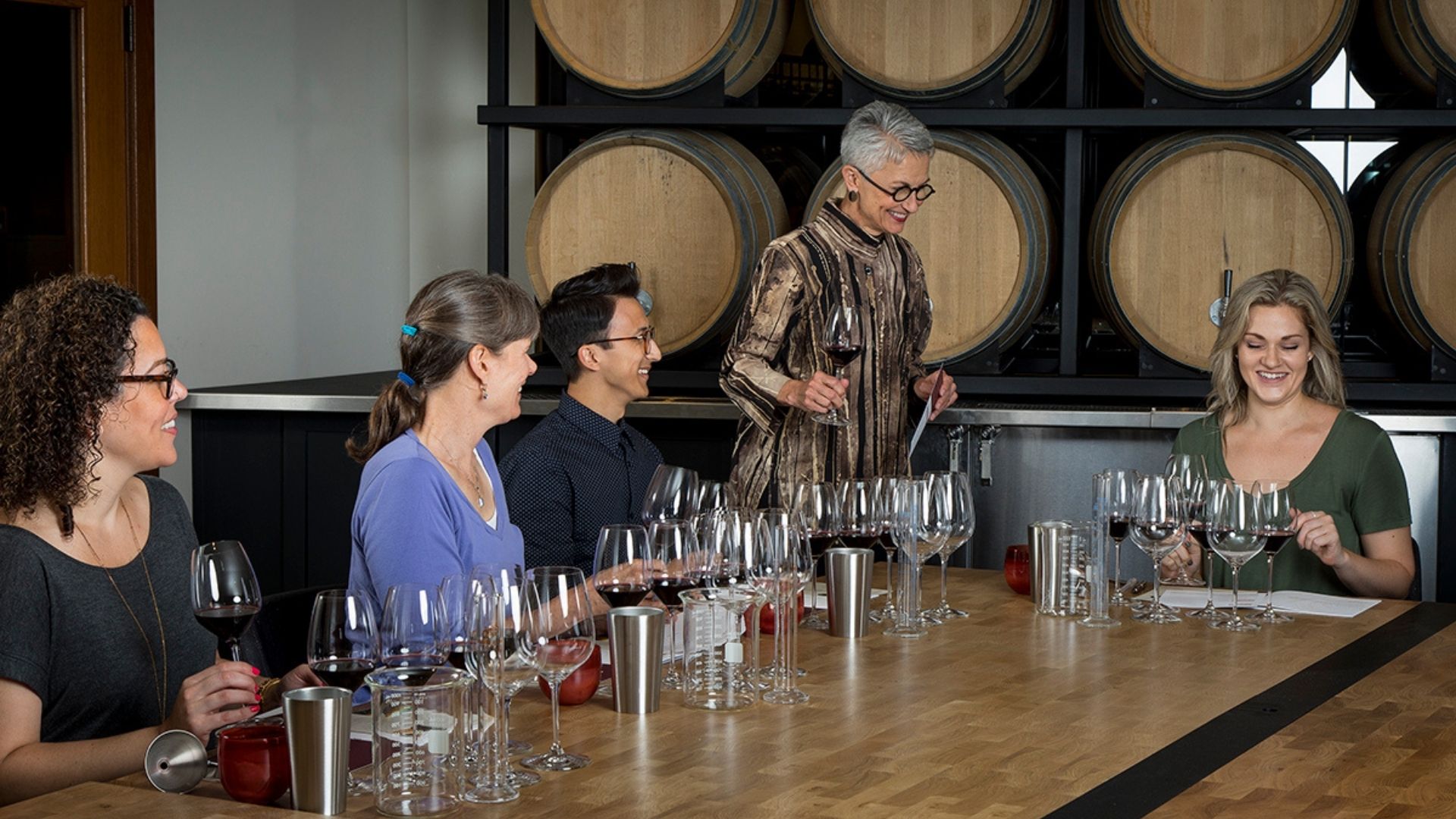
Chateau Ste. Michelle in Woodinville, Washington, has developed experiences to meet people where they’re at, according to Lynda Eller, senior director of communications and corporate affairs at Ste. Michelle Wine Estates. The BLEND Experience is a hands-on class.
“Guests get to explore different varietals and vineyard lots, learn how winemakers craft balance and style, and even create their own custom blend to take home,” Eller says.
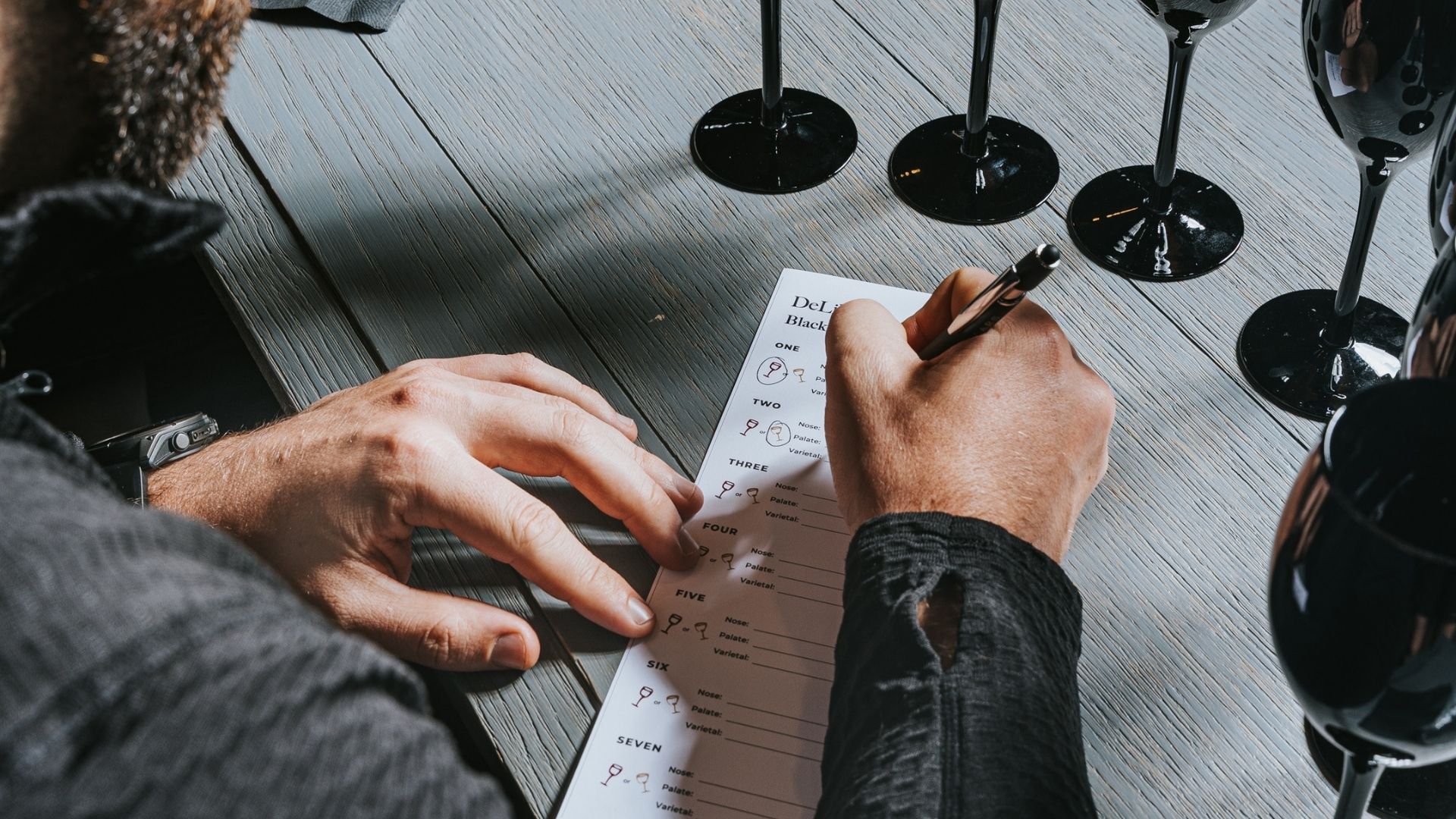
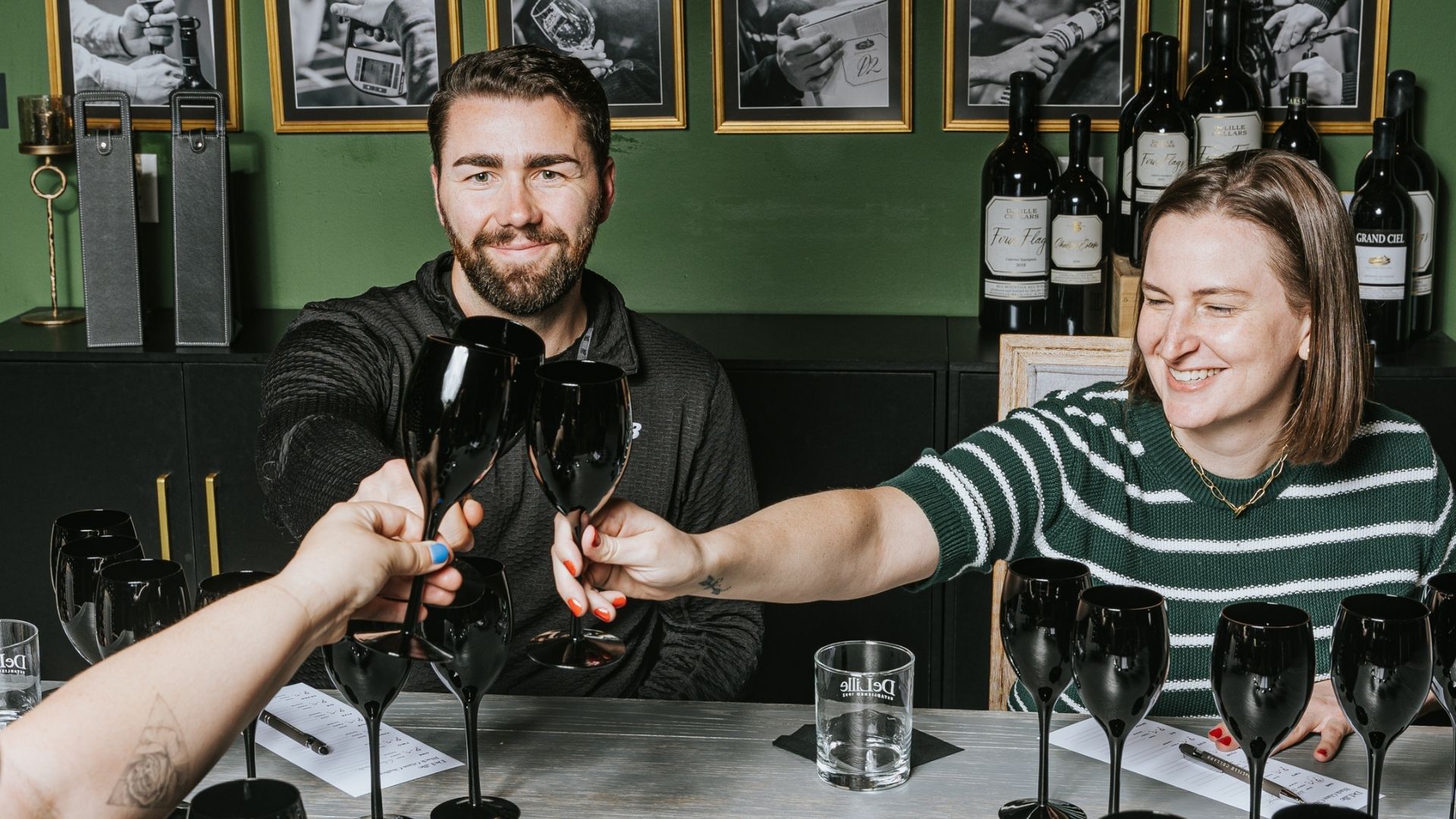
DeLille Cellars in Woodinville, Washington, offers an experience called the Black Glass Challenge, geared toward tasters with more wine familiarity. A series of wines is presented in black wine glasses so participants rely on other senses to evaluate and identify the wines.
Learning from the land

While DeLille removes the visual cue, Evening Land Vineyards in Salem, Oregon, does the opposite by using the landscape visitors can see to help them learn what is in the glass.
Evening Land takes the education component a step further by immersing guests in its vineyard. Moving through the historic Seven Springs Estate vineyard via a golf cart, guests make various stops around the vineyard to see, feel and connect the wine to where it was grown.
Katie Owen, director of marketing at Evening Land Vineyards, says there is a major difference between hearing about the vineyard and experiencing it firsthand.
“The ability to taste Gamay while staring at Gamay vines — and potentially seeing a couple of different ways Gamay is grown at the vineyard — is a remarkable way to experience a wine,” Owen says.
Along the way, guests are able to learn about the effects of soil on the vines, and touch the fractured basalt and see how it crumbles.
“Seeing the layers of clay, basalt and bedrock in the soil pit — layers that have formed over millions of years — is eye-opening,” Owen says. “The scenery and the vineyard help us all better understand the wines, and they amplify the enjoyment of the wines, too.”
Though these wineries differ in size, location and approach, they’re all responding to a desire for deeper connection — whether to the wine, the people around it, or the place it comes from.
This evolution, however, must be approached with thoughtfulness to keep wine at its core. As wineries add reasons to visit, the challenge is making sure the wine doesn’t become incidental.
“It was here long before us and it will be here long after us, and events and meals and community create those connections,” says Morgan Lee of Two Vintners.