From native fermentations to concrete tanks, Israel Zenteno and his team are elevating estate-grown Rhône and Bordeaux varietals in Milton-Freewater, Oregon
The best wines tell you where they’re from before you ever read the label. At Watermill Winery in Oregon’s geologically striking Rocks District, that story begins with fractured basalt, stressed vines and patient, purposeful winemaking.
There are easier places to grow grapes, but few as expressive. Director of winemaking, Israel Zenteno, and his team are embracing the region’s rugged conditions to craft wines of unmistakable character. Their efforts recently earned them two 95-point gold medals at the 2025 Decanter World Wine Awards and the title of Pacific Northwest Top Four Fabulous Wineries of the Year from the Washington State Wine Awards.
“Growing grapes in the Rocks District is a double-edged sword,” Zenteno says. “It’s incredibly hard on the vines and even harder on our tractors. But the results? It’s magic.”
That magic includes Watermill’s 2020 Cabernet Sauvignon and 2021 Hallowed Stones Syrah, both of which scored 95 points at Decanter. A 2021 Merlot and 2021 Red Blend followed closely behind with 94 points each. The recognition affirms the team’s approach, which is thoughtful, collaborative and deeply rooted in place.
Watermill Winery was founded in 2004 by the Brown family, longstanding orchardists in the area. In 2016, the winery was acquired by Foreman Fruit, a Yakima Valley-based agricultural company. Since then, Zenteno and his team have led the winery into a new era focused on estate-grown fruit, small-lot precision and expanded custom crush partnerships.
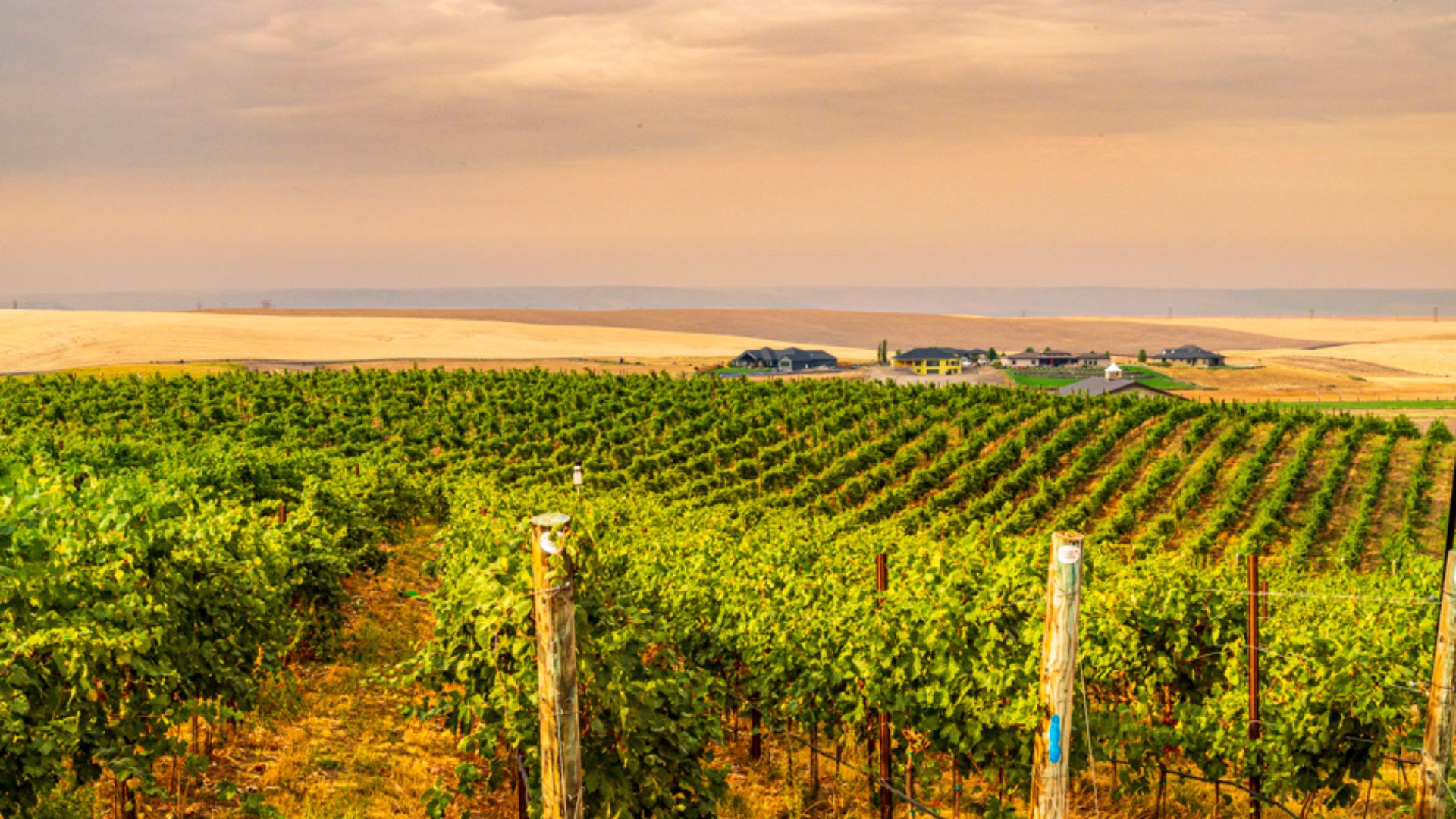
Today, Watermill farms 160 acres of vineyards, with 60 of those located in the prized Rocks District of Milton-Freewater. This is one of the most distinctive winegrowing zones in North America. The soil here is not soil at all, but stone.
“These vineyards sit on layers of cobblestones left by the Walla Walla River over time,” Zenteno says. “The river changed course many times, as far as I know. The drainage is so extreme the vines have to fight for everything. But what you get is fruit that’s dense, structured and expressive.”
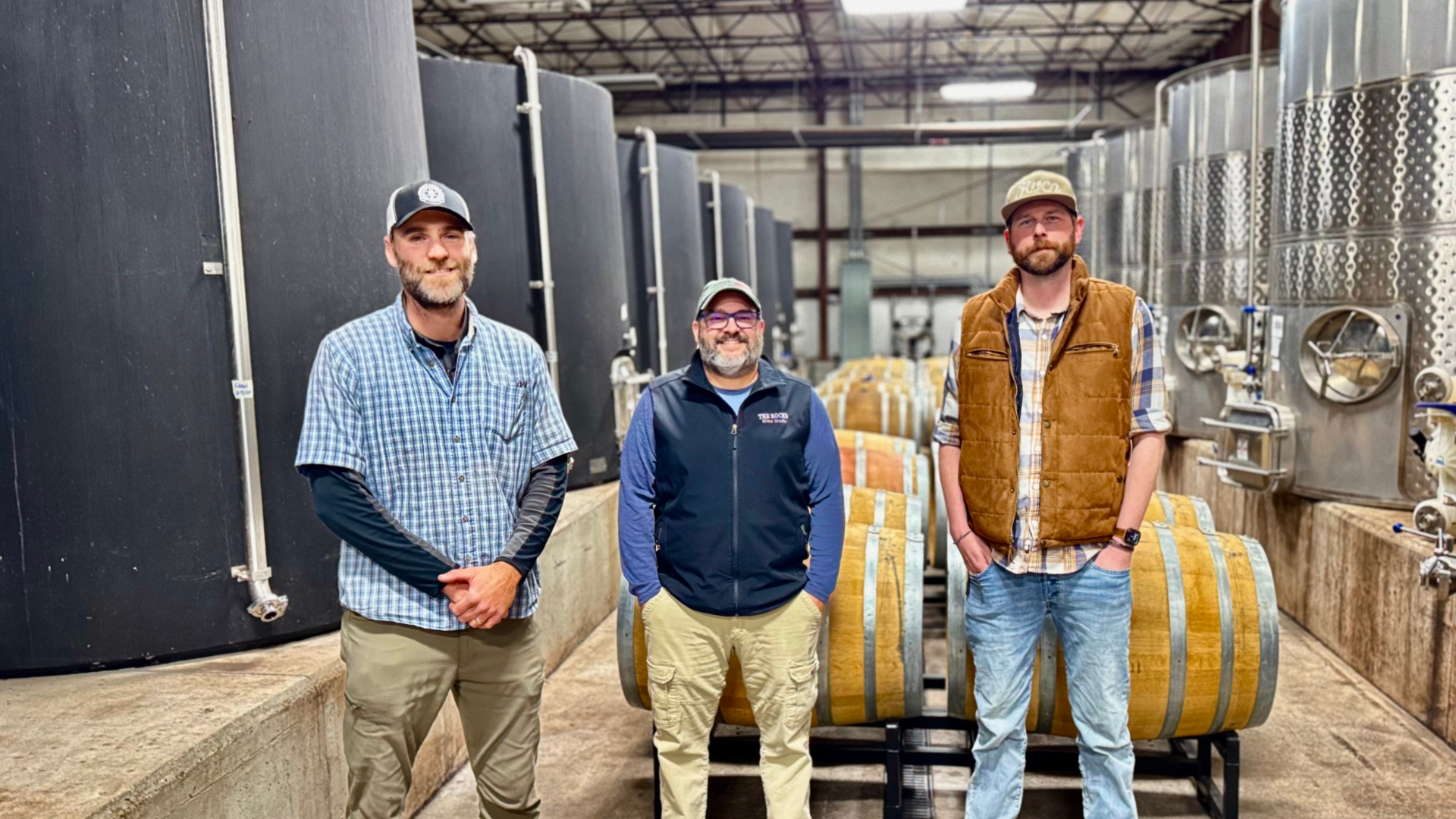
Zenteno works with a close-knit team of winemakers: Brian Roy, who has worked with Watermill’s vineyards for more than a decade, and Dirk Brink and Ryan Strom, who bring fresh insight from across Oregon and Washington. Together, they use selected yeasts, extended maceration and gentle techniques that emphasize purity of fruit.
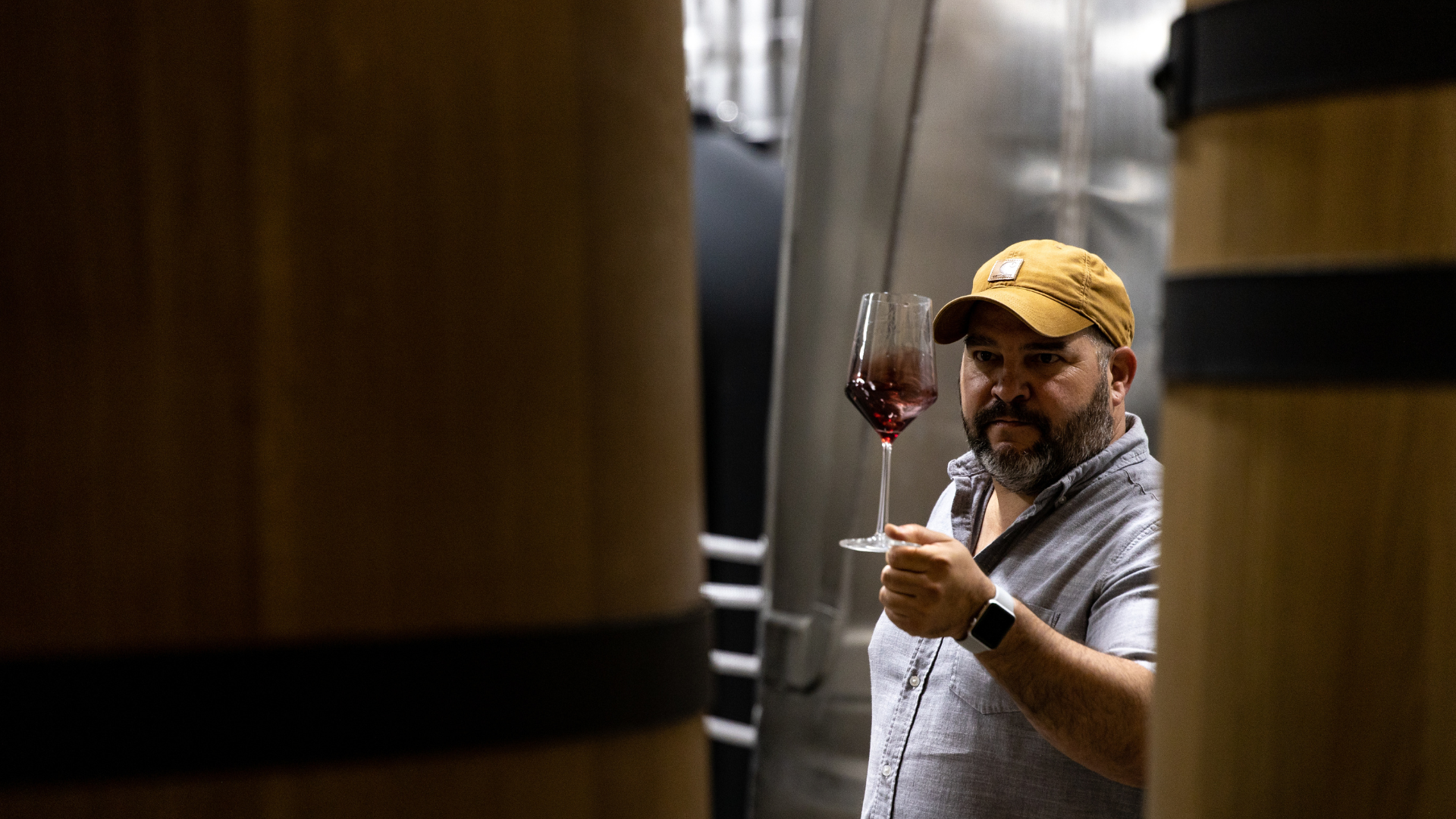
“We believe in slow fermentations, sometimes up to 18 days,” Zenteno explains. “Our Hallowed Stones Syrah ferments in concrete tanks, which help maintain consistent temperature. It allows the fermentation to proceed at its own pace without aggressive intervention.”
The process is both intuitive and data-driven. The team runs in-house yeast trials each year to match specific strains with particular vineyard blocks. “We ask ourselves which strain allows this site to express itself best,” says Zenteno. “It’s about helping the vineyard speak, not speaking over it.”
While Watermill’s flagship wines remain focused on Rhône and Bordeaux varietals, the winery has evolved stylistically. “The earlier wines had more oak, longer aging — wines you needed to wait on,” Zenteno says. “Today, we’re crafting bottles that are ready sooner, but still show polish and depth.”
This shift has helped Watermill reach a wider audience, especially newer wine drinkers visiting the tasting room. Chances R is another tier they have designed for the market to introduce consumers to the winery’s style without overwhelming them. Zenteno keeps the winemaking process personal. Each winemaker on the team leads their own vineyard or project, but final blending is done together.
“We all bring different ideas to the table,” Zenteno says. “Brian Roy has been working with our fruit the longest, so his historical knowledge is invaluable. Dirk and Ryan bring new energy and fresh perspectives. That balance is what makes the wines exciting.”
As for the name? “There’s no actual watermill here,” Zenteno laughs. “The town used to be called Milltown before it merged with Freewater. The building we originally used was called Watermill, and the name just stuck.”
Like its name, Watermill Winery honors its roots while always moving forward. It is a place built on history, driven by curiosity and held together by a team that believes in letting the land lead.
Branching Out: Blue Mountain Cider
“Everything we do is about making wine that reflects where we are,” says Zenteno. “We want people to open a bottle and taste the Rocks, the valley, the struggle and the story.”Blue Mountain Cider which launched at Watermill in 2003 offers fresh pressed cider for their guests as well as custom crush services to other cideries. Cidermaker Abe Currin runs this program and his dedication to creativity has produced some unique ciders such as Pink Lemonade steeped with hibiscus, Salted Caramel and, the newest, Peach Mango. Stay tuned for more exciting things to come from this brand.
In Partnership with Watermill Winery