Wenatchee, these producers illustrate the breadth and creativity shaping Washington wine.
Washington wine has never been more dynamic. From Red Mountain to the Columbia Gorge, a new generation of vintners is pushing boundaries with site-driven bottlings, fresh approaches to farming and tasting rooms that signal both ambition and intimacy. These five producers, each small, distinctive and deeply tied to place, are reshaping expectations of what Washington wine can be.
Gjallerhorn Wines
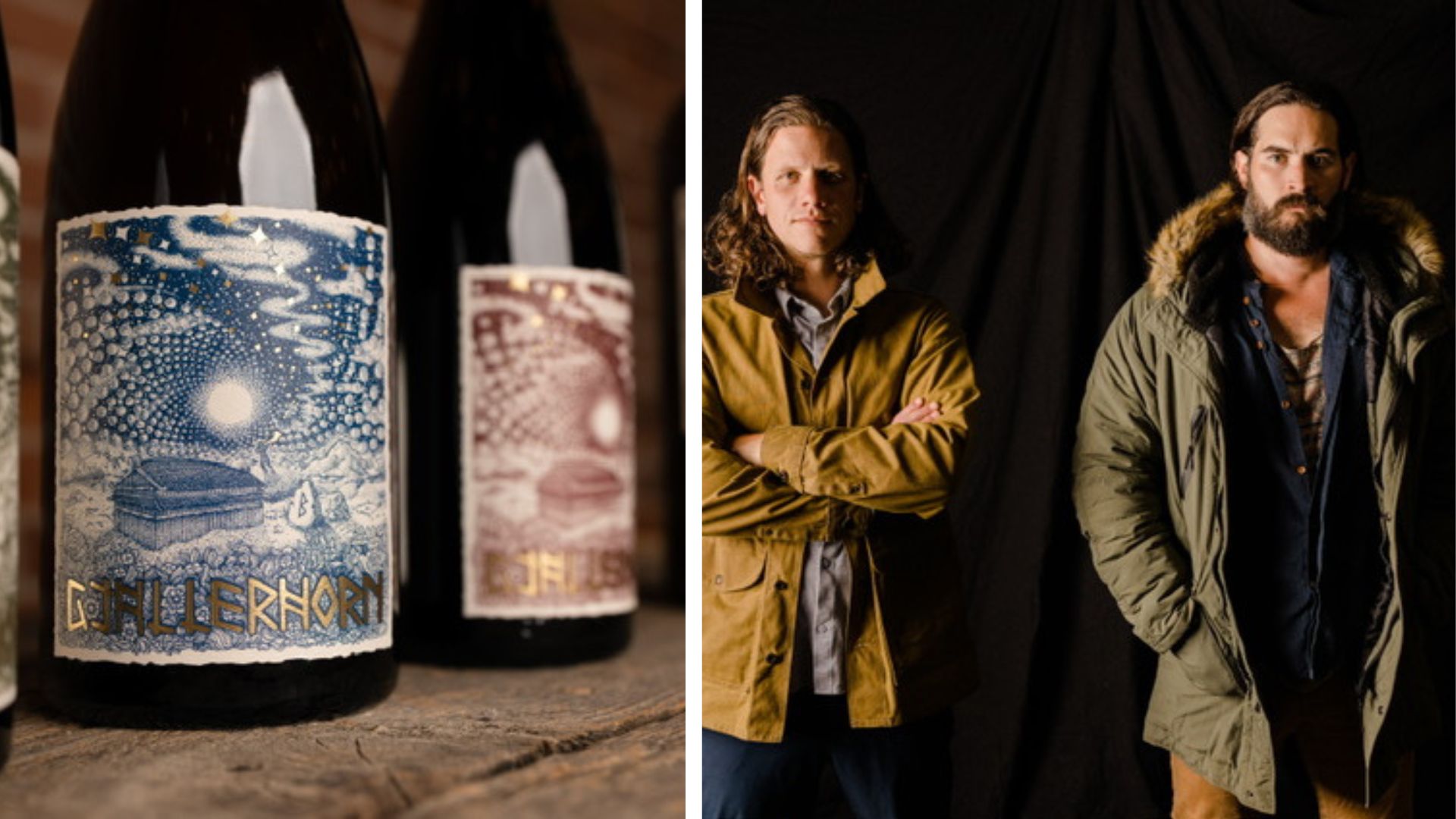
Founded by winemakers Hal Iverson and Jesse Schmidt, Gjallerhorn Wines reflects their combined experience at Quilceda Creek and Matthews Winery.
The project is devoted to small-lot wines from distinguished Columbia Valley vineyards: old-vine Wente Chardonnay from Roza Hills (planted 1977); Viognier, Roussanne and Grenache from Olsen; Merlot from historic Red Willow; Syrah from RockBar in the Rocks District; and Cabernet Sauvignon from Red Mountain’s Shaw Vineyard and Horse Heaven Hills’ Phinny Hill.
Each release is named for a Norse rune (Berkana, Sowilo, Perthro, Jera, Othala, Kenaz, Dagaz), tying the wines to themes of heritage and symbolism. Bottlings are released seasonally around the equinoxes and solstices, available primarily through direct purchase, with limited production emphasizing clone and block specificity.
MTN/ART Wines
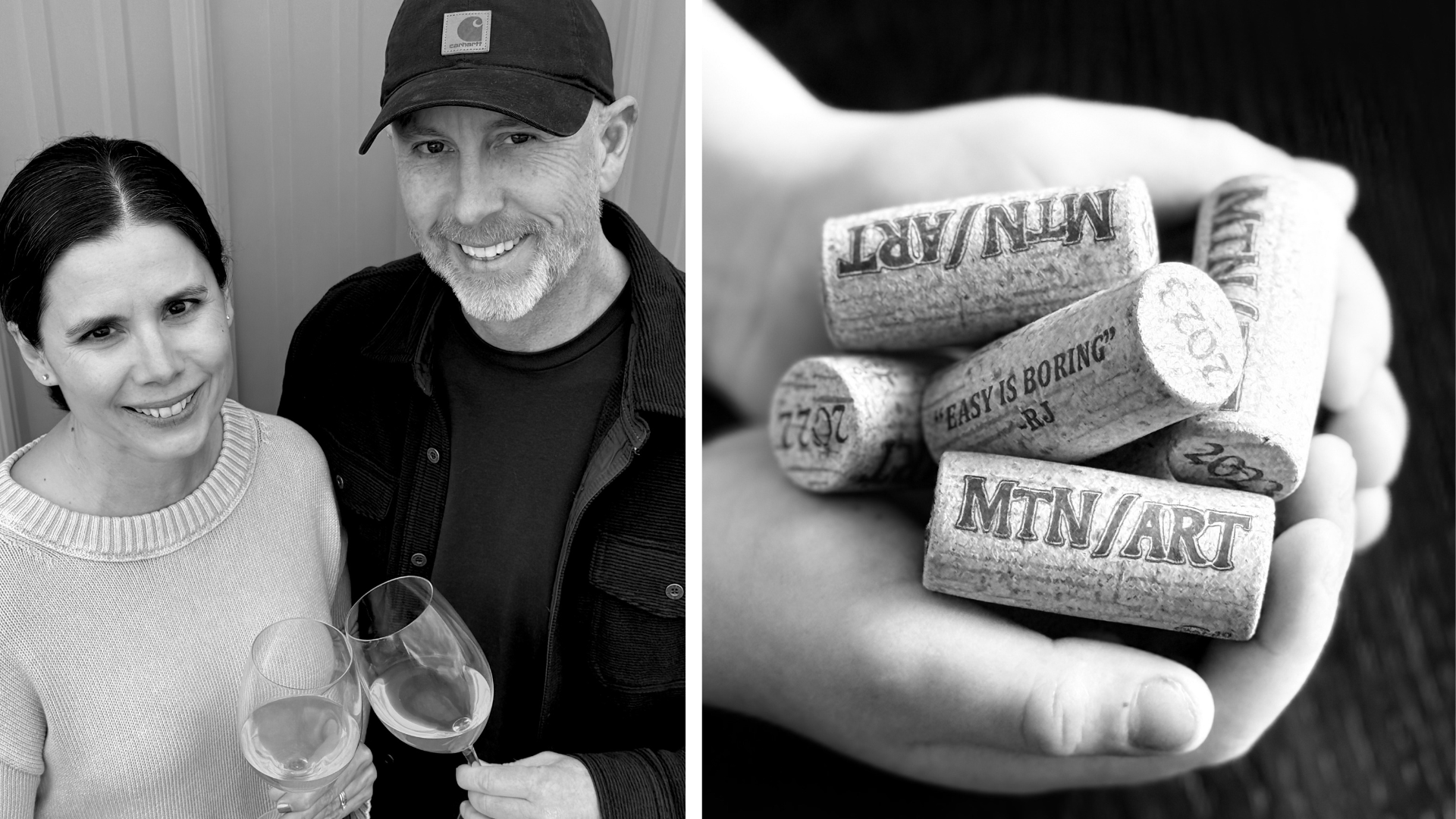
MTN/ART Wines was founded in 2022 by Ryan and Rebecca Johnson on Red Mountain. The idea emerged in response to Rebecca’s unexpected autoimmune illness, which limited their ability to enjoy traditional wines together.
“The original mission of MTN/ART was to create lower-alcohol (yet complex and delicious) wines via earlier-picked grapes from the higher-elevation, north-facing slopes at WeatherEye Vineyard,” says Ryan. WeatherEye Vineyard is a site Ryan designed and farms along the top of Red Mountain.
The Johnsons brought together a small team of winemaker friends: Keith Johnson of Devium and Sleight of Hand Cellars, Seth Kitzke of Upsidedown Wines and The Devil is a Liar, and Chris Peterson of Avennia and Liminal. Each collaborator was encouraged to experiment with WeatherEye fruit in ways it hadn’t been expressed before. The inaugural lineup included a White Rhône pét-nat, a Grenache Blanc–driven blend with Roussanne, Clairette Blanche and Viognier, and a red blend of Syrah, Mourvèdre and Cabernet Sauvignon.
For the Johnsons, every bottle reflects not only the character of WeatherEye but also their personal journey. Rebecca’s health improved after shifting treatments, allowing the couple to once again share wine together, a milestone that gave the project deeper meaning.
Domaine Magdalena
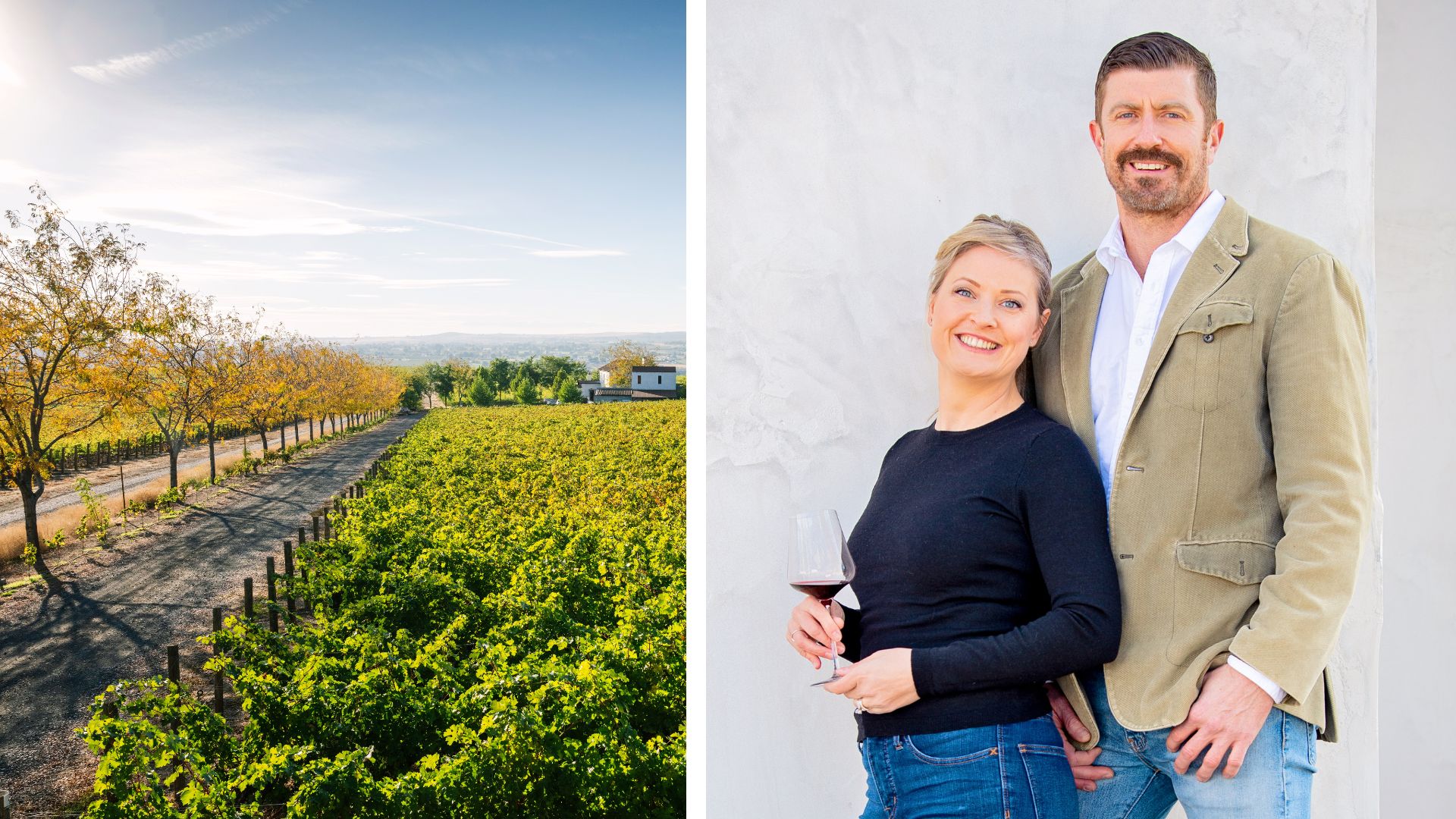
On Red Mountain, Maggie and Christophe Hedges farm their small estate with a single guiding principle. “Wine is an agricultural product and the finished bottling is inseparable from everything done in the vineyard throughout the growing season,” Maggie Hedges says.
Planted in 2005 and Demeter-certified biodynamic since 2011, the vineyard is devoted primarily to Cabernet Sauvignon. After nearly a decade of diligent farming, their first wine under the Domaine Magdalena label was released in 2014.
Following biodynamic strictures in both vineyard and cellar, the couple’s flagship wine shows a lean, bright, savory side of Cabernet, often with a perfumy nose. Maggie describes a hallmark of their bottles as “a lovely combination of cherry and mint that presents a bit like a cherry cola,” a signature that reflects both Red Mountain and their specific site.
With a commitment to non-toxic farming and minimal-intervention winemaking, Domaine Magdalena demonstrates how small, biodynamic estates can produce wines that are expressive of place, drinkable on release and capable of aging.

Armour Wines
Founded in 2020 by Tyler and Sarah Armour in Wenatchee, Armour Wines reflects a deliberate move toward minimal-intervention winemaking after years of experience across Washington and abroad. Tyler, who trained in food science before shifting to viticulture and enology at Washington State University, honed his craft at wineries from Australia’s Margaret River to Fielding Hills in Chelan, where he developed the white wine program and launched the Concentric Wine Project.
At Armour, he and Sarah focus on whole-cluster fermentation. Reds are fermented 100 percent with stems, whites are pressed whole-cluster, and only minimal sulfur is added. The lineup has expanded from Syrah to include Gamay Noir, Mourvèdre, Barbera and experimental carbonic bottlings like Carbo Barbo. Wines are aged in neutral oak and sandstone jarres, designed to be bright, juicy and approachable yet structured.
In 2025, the couple opened their first tasting room in East Wenatchee’s new Trades District, cementing Armour Wines as a fresh voice in Washington’s lo-fi wine movement.
Valo Cellars
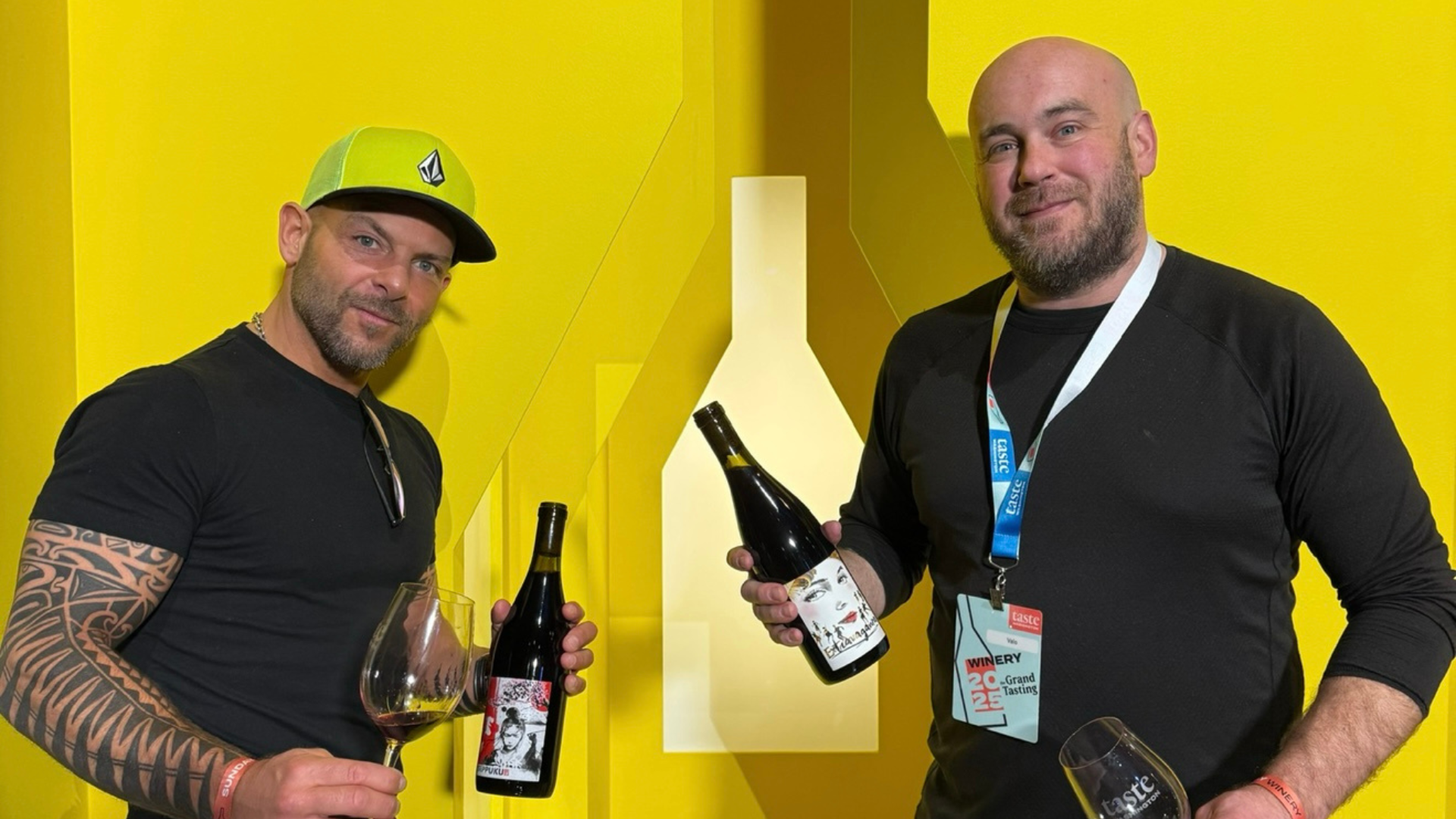
Valo Cellars and its sister label Massalto grew out of a friendship forged during harvest in New Zealand in 2016.
Michael Ruhland, a chef and sommelier from Washington, and Chilean-born viticulturist and ex-marine Matías Kúsulas crossed paths again in Walla Walla and began planning a project that would reflect both classic winemaking tradition and creative experimentation.
By 2018, they launched two labels: Valo, focused on Bordeaux varieties, Pinot Noir and Chardonnay made with a restrained, old-world sensibility; and Massalto, their “playground” for Rhône grapes and unconventional techniques, frequently in very small lots.
While Valo draws fruit from vineyards such as Conner Lee (Columbia Valley, near Othello) and emphasizes elegance and balance, Massalto leans bold and rustic, showcasing wines like Syrah, Mourvèdre, Cinsault and Viognier. Together, the two brands embody dual visions of Washington wine, precision and restraint on one side, daring and cultish energy on the other, anchored by tasting rooms in Vancouver, Bingen and Ellensburg.