Every year on March 13—National Riesling Day—I’m reminded of how curious the reputation of Riesling remains. Few grapes are as admired by sommeliers and wine lovers, yet so frequently misunderstood by the broader public.
For many drinkers, Riesling still conjures a single idea: sweetness. But that narrow association obscures the truth about one of the most expressive, versatile, and age-worthy white grapes on earth.
Riesling is a chameleon. It can be bone-dry or luxuriously sweet, feather-light or richly textured, delicate or profound. It mirrors the places where it grows with uncanny clarity. And here in the Pacific Northwest, Riesling has quietly become one of the region’s most accomplished wines.
It’s time to look again.
Myth #1: Riesling Is Always Sweet
Perhaps no misconception has clung to Riesling more stubbornly than this one.
In fact, Riesling can be made in every style along the sweetness spectrum—from razor-dry to lusciously sweet. Sweetness is not inherent in the grape; it is simply a matter of winemaking choice. A fermentation may continue until every last gram of sugar is converted to alcohol, leaving the wine completely dry. Or a winemaker may halt fermentation earlier, preserving some natural sweetness.
Around the world, many of the most revered Rieslings are dry. Alsace produces structured, powerful examples. Australia’s Clare and Eden Valleys craft taut wines that vibrate with citrus and acidity.
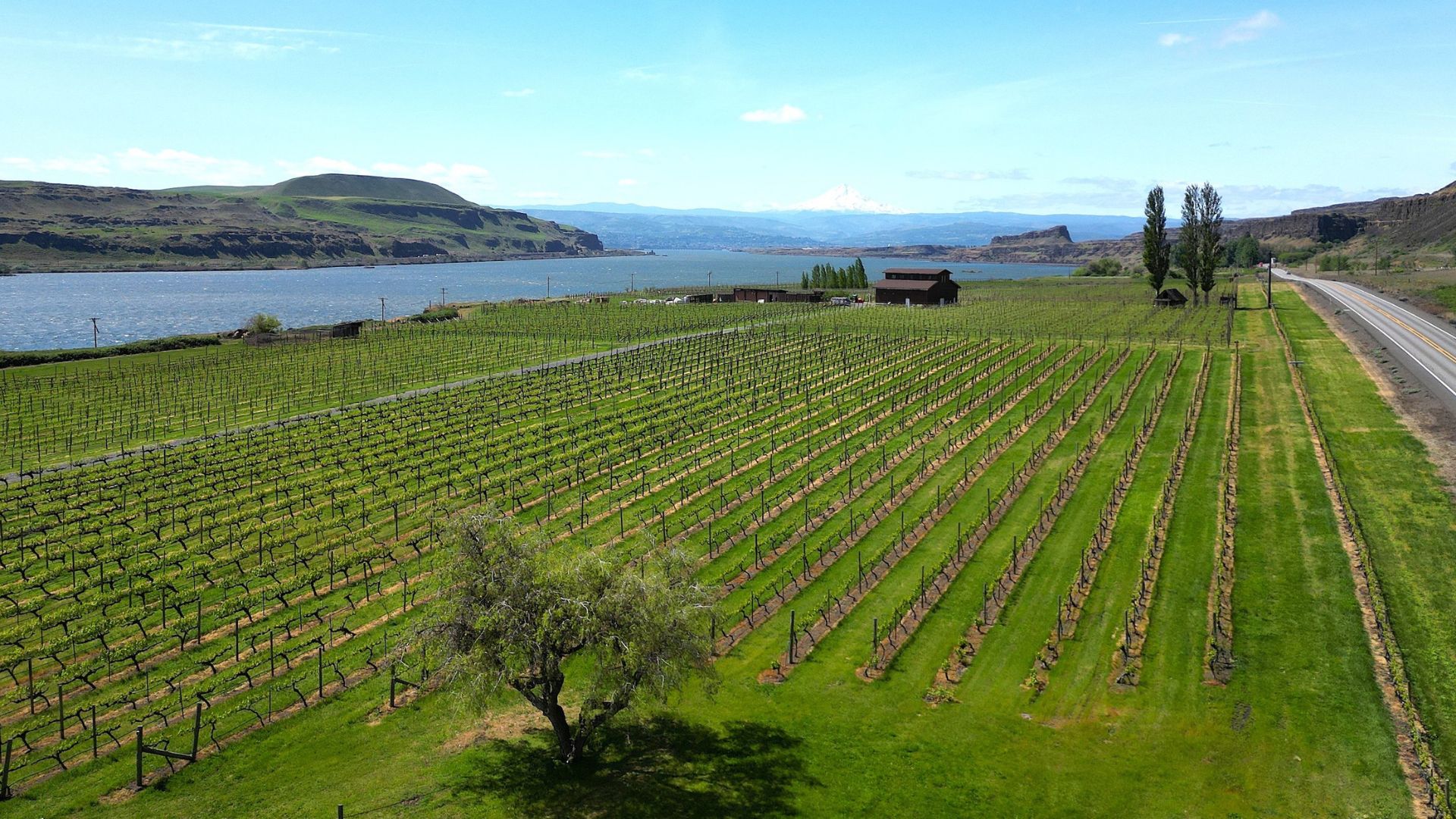
Closer to home, the Pacific Northwest has become a compelling Riesling landscape of its own. Washington State—America’s largest producer of Riesling—makes everything from crisp, mineral-driven dry wines to vibrant off-dry bottlings with dazzling fruit. Oregon’s cooler sites often yield wines of delicacy and fragrance, while British Columbia’s Okanagan Valley produces strikingly precise, mineral expressions. Even Idaho’s Snake River Valley is beginning to turn heads.
Riesling is not defined by sweetness. It is defined by range.
Myth #2: Sweet Riesling Is Simple or Low Quality
In truth, some of the most extraordinary—and collectible—white wines in the world are sweet Rieslings.
Consider Germany’s legendary Trockenbeerenauslese or Eiswein. These wines require painstaking labor: grapes harvested berry by berry, often shriveled or frozen on the vine, their sugars and flavors naturally concentrated. The resulting wines can age gracefully for decades.
What makes great sweet Riesling thrilling is its balance. The grape’s naturally high acidity acts like a beam of light cutting through richness, keeping the wine vibrant rather than heavy.
You see the same principle in many Pacific Northwest wines. In Washington and British Columbia especially, producers often craft off-dry Rieslings where just a touch of sweetness amplifies fruit while the acidity keeps the wine alive and precise.
In Riesling, sweetness is not excess. It is architecture.
Myth #3: Riesling Doesn’t Age
In reality, Riesling may be the most age-worthy white wine in the world.
Its naturally high acidity is a kind of structural backbone, allowing the wine to evolve for years—sometimes decades. Over time, youthful flavors of apple, lime, or peach transform into deeper notes of honey, dried apricot, toasted nuts, and a fascinating aroma often described as petrol.
That distinctive note comes from a compound called TDN, which develops as Riesling ages. Far from being a flaw, it is considered one of the classic signatures of mature Riesling.
While Germany’s historic wines set the benchmark, Washington State Rieslings have increasingly demonstrated their own longevity. Well-made examples can develop beautifully for ten years or more, gaining complexity while retaining freshness.
Few white wines reward patience the way Riesling does.
Myth #4: Riesling Lacks Complexity
Quite the opposite. Riesling may be one of the most transparent grapes in the vineyard.
Unlike many white wines, Riesling is rarely aged in new oak. Instead, it is typically fermented in neutral vessels that allow the vineyard itself to speak clearly.
That transparency means the grape can express soil and climate with remarkable precision. German slate soils can give Rieslings an electric mineral character. Alsace’s limestone brings breadth and structure. Australia’s dry-grown vines often produce wines with piercing citrus and razor-sharp acidity.
The Pacific Northwest offers its own fascinating variations. Washington’s warmer inland vineyards tend to produce generous orchard and stone fruit flavors, while cooler sites in Oregon and British Columbia emphasize citrus, florals, and a kind of crystalline tension.
Riesling doesn’t mask its origin. It reveals it.
Myth #5: Riesling Is Difficult to Pair with Food
If anything, the opposite is true.
Few wines are as adaptable at the table. Dry Rieslings are superb with seafood, shellfish, poultry, and vegetable-driven dishes. Slightly off-dry versions are famously brilliant with spicy cuisines, where a touch of sweetness softens heat and bright acidity refreshes the palate.
In the Pacific Northwest, Riesling feels particularly at home. It pairs effortlessly with the region’s Pacific seafood, oysters, and shellfish. And it shines alongside dishes influenced by the area’s vibrant Asian culinary traditions.
Bright acidity. Aromatic lift. A spectrum of styles.
Riesling is one of the most accommodating wines a table can know.
A Final Thought
Riesling’s reputation was shaped, in part, by a flood of inexpensive, overly sweet imports that filled store shelves decades ago. That image lingered long after the category itself evolved.
Today, Riesling tells a very different story—one of precision, terroir, and extraordinary diversity of style.
And the Pacific Northwest is now firmly part of that narrative.
Riesling is not simply a “sweet wine.”
It is one of the world’s great grapes.
And it is always worth another look.
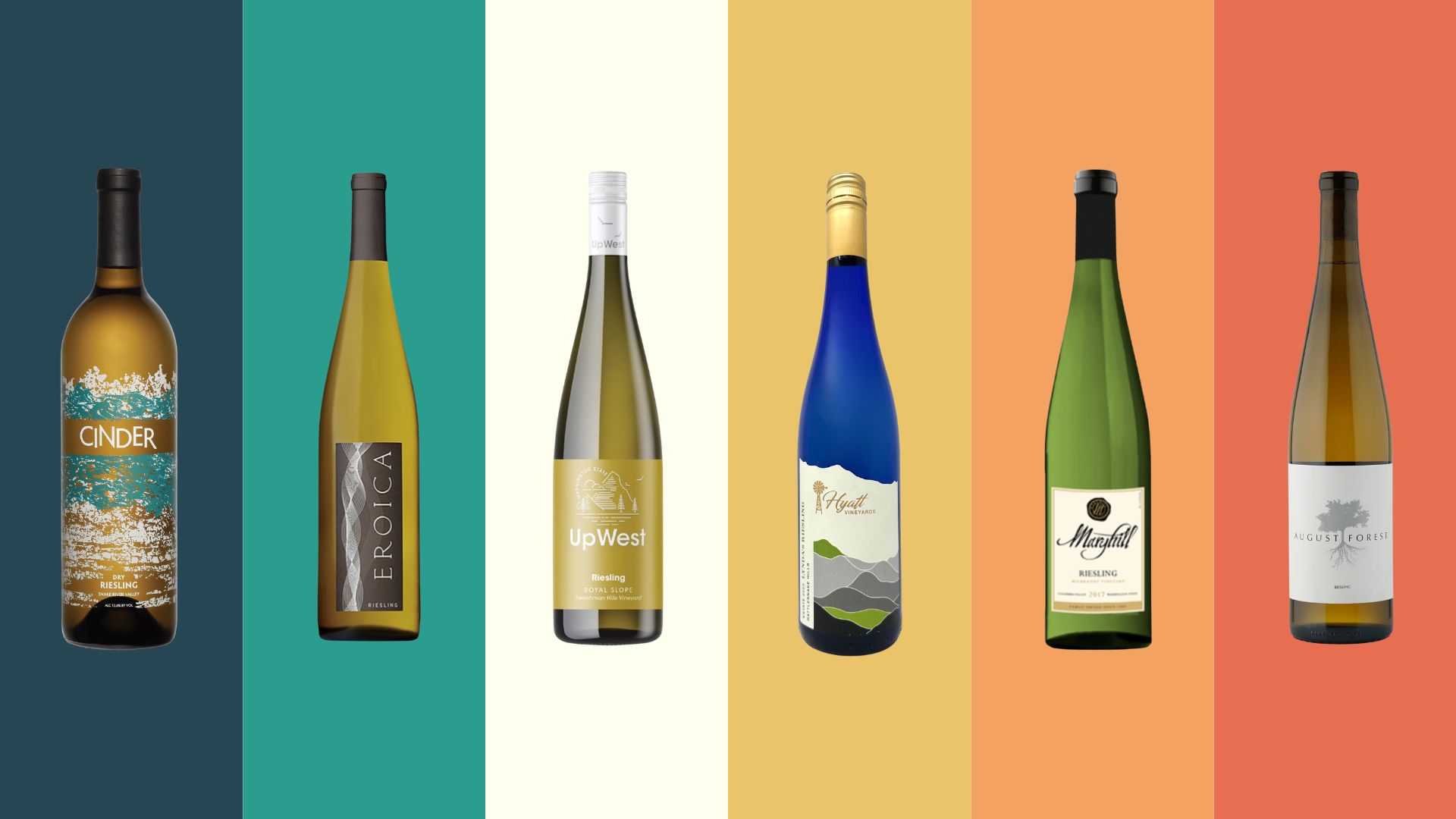
Here is our list of Rieslings we think you should try.
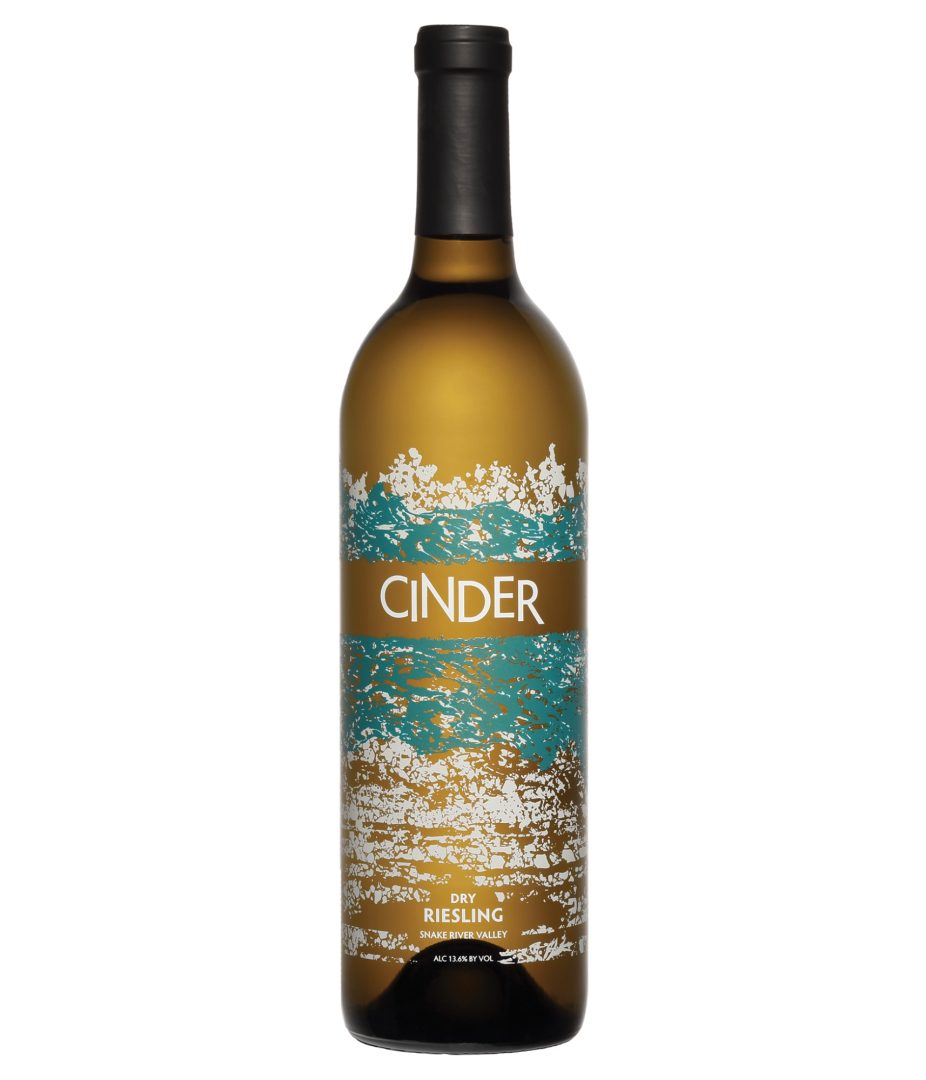
2024 Riesling | $27
Winery | Cinder
Garden City, ID
Snake River Valley AVA

2024 Riesling | $22
Winery | Eroica
Woodinville, WA
Columbia Valley AVA

2024 Riesling | $12
Winery | UpWest
Mattawa, WA
Royal Slope AVA

2023 Lynda’s Riesling | $18
Winery | Hyatt Vineyards
Zillah, WA
Rattlesnake Hills AVA

2024 Riesling | $23
Winery | Maryhill Winery
Goldendale, WA
Columbia Valley AVA
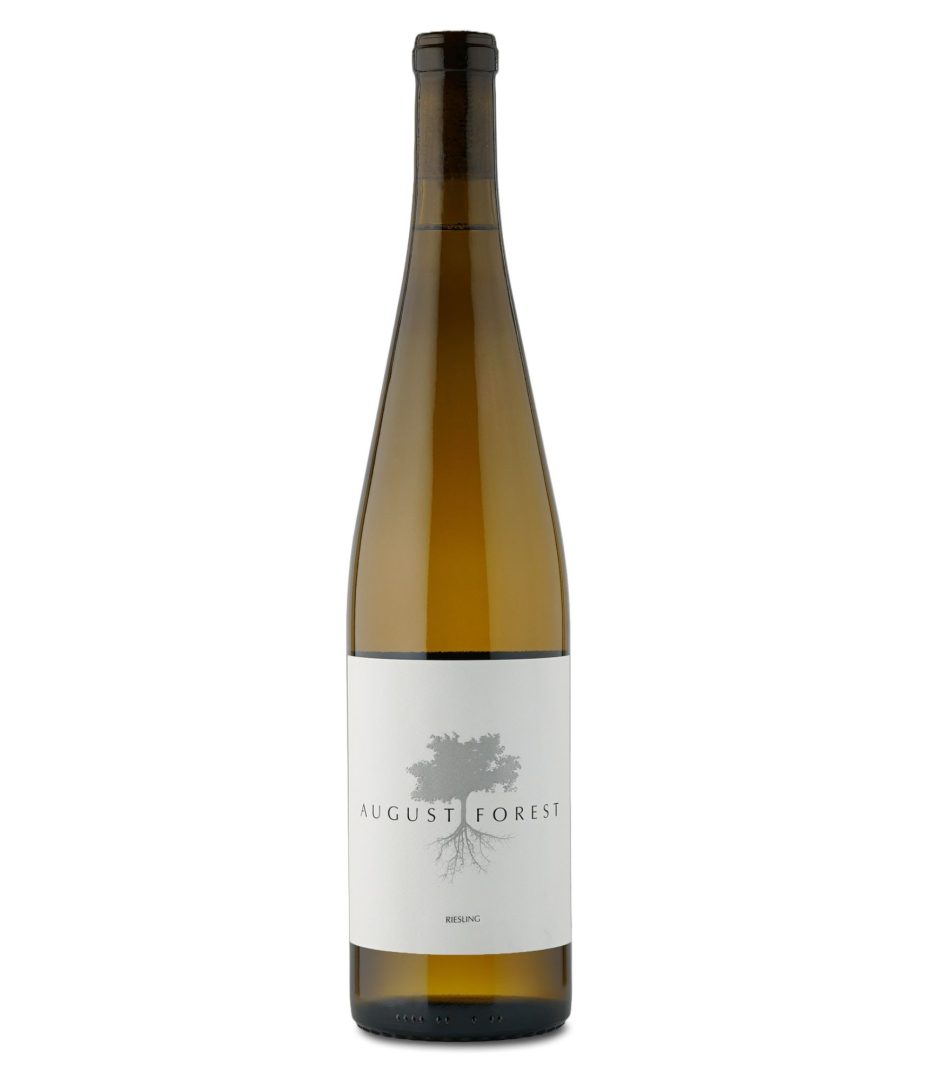
2022 White Bluffs Riesling | $36
Winery | August Forest
Walla Walla, WA
White Bluffs AVA